How to Optimize Your Devices for Maximum Speed and Efficiency
In today’s fast-paced digital world, performance is everything. Whether you’re working, streaming, gaming, or multitasking, slow and unresponsive devices can quickly become a major source of frustration.
High performance tech is no longer just for professionals or gamers — it’s something everyone benefits from. A fast, responsive system saves time, improves productivity, and makes everyday tasks smoother.
The best part? You don’t always need expensive upgrades to achieve this.
In many cases, poor performance is caused by inefficient settings, unnecessary background processes, or lack of proper maintenance. With the right optimizations, you can significantly improve your device’s speed and efficiency.
In this complete guide, you’ll learn how to turn your device into a high-performance system (Optimize Your Devices) using simple, practical steps.
What Is High Performance Tech?
High performance tech refers to devices and systems that operate efficiently so in High performance tech refers to devices and systems that operate efficiently, respond quickly, and handle tasks without lag or delays—in short, it helps you optimize your devices.
A high-performance system typically offers:
- Fast startup and shutdown times
- Smooth multitasking without freezing
- Quick application loading
- Stable performance under heavy workloads
- Efficient use of system resources
This level of performance ensures a faster, smoother, and more reliable user experience.
If your system isn’t performing as expected, compatibility issues may be the cause. Learn more about how software and hardware conflicts can impact performance in our detailed guide on incompatibility, and discover how to fix common issues to keep your device running smoothly.
Why Performance Optimization Matters
Many users assume that a slow device means it’s time for a replacement. However, in most cases, performance issues can be fixed without buying new hardware.
When you optimize your devices, you can significantly improve speed, efficiency, and overall system performance. Optimization helps you:
- Extend the lifespan of your hardware
- Reduce unnecessary upgrade costs
- Boost productivity and workflow efficiency
- Improve speed and responsiveness
- Enhance the overall user experience
A well-optimized system can perform just as fast as a newer device, making optimization a smart and cost-effective solution.
✔ 1. Keep Your System Clean and Organized
Over time, your system collects temporary files, cached data, and unused programs. These unnecessary files take up valuable storage space and can significantly slow down your device.
To optimize your devices for better speed and performance, it’s essential to keep your system clean and organized.
👉 What you should do:
- Delete temporary files
- Clear cache regularly
- Remove unused downloads
- Organize your storage
A clean system is a fast system, and regular maintenance is key to keeping your device running smoothly.
Looking for more ways to improve your system? Explore our software category for in-depth guides, tools, and tips to help you clean, optimize, and get the most out of your device.
✔ 2. Optimize Startup Programs
Startup programs are one of the most common causes of slow computer performance. Many applications automatically launch when your device starts, even if you don’t actually need them.
To optimize your devices for faster boot times and better overall performance, it’s important to manage your startup programs effectively.
👉 How to fix it:
- Open Task Manager
- Go to the Startup tab
- Disable unnecessary programs
By reducing the number of startup apps, you can significantly improve boot speed and make your system run more efficiently.

✔ 3. Keep Your Operating System Updated
Keeping your operating system up to date is essential for both performance and security. Updates fix bugs, improve system stability, and enhance overall efficiency.
To optimize your devices for maximum speed and reliability, regular system updates are a must.
Always download updates from trusted sources like Microsoft to ensure your system remains secure, stable, and running at its best.
✔ 4. Manage Background Processes
Background processes consume system resources without you noticing.
👉 Check Task Manager for:
- High CPU usage
- High RAM usage
Close processes you don’t need.
This frees up valuable system resources.
✔ 5. Upgrade to SSD Storage (Major Performance Boost)
Upgrading from a traditional HDD to an SSD is one of the most effective ways to dramatically improve your computer’s performance. It’s a powerful upgrade that can instantly optimize your devices and make them feel like new.
Benefits include:
- Faster boot times
- Instant file access
- Improved overall responsiveness
Even older devices can experience a significant speed boost with an SSD, making this upgrade one of the best investments for better performance and efficiency.
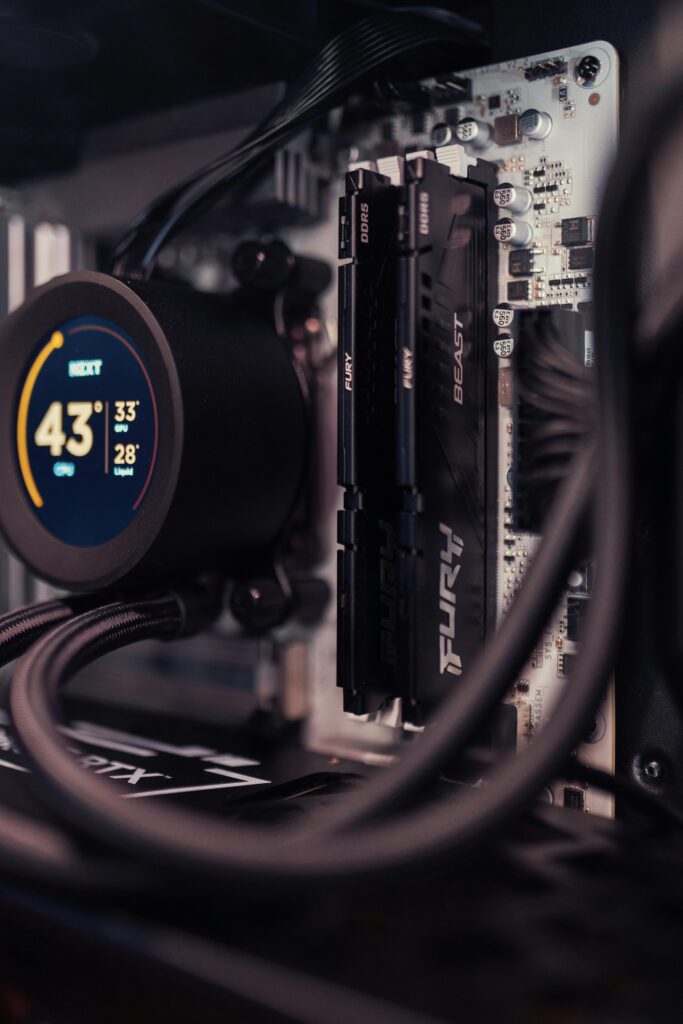
✔ 6. Increase RAM for Better Multitasking
If your device slows down when running multiple applications, your RAM may be the issue.
Adding more RAM allows your system to:
- Handle more tasks at once
- Run applications smoothly
- Reduce freezing and lag
This is especially useful for multitasking users.
✔ 7. Use Lightweight and Optimized Software
Some software can be resource-heavy and significantly slow down your system. Choosing the right tools is essential if you want to optimize your devices for better speed and efficiency.
👉 Consider:
- Using lightweight alternatives
- Avoiding unnecessary features
- Choosing efficient and optimized tools
Using optimized software can make a noticeable difference in performance, helping your system run faster, smoother, and more efficiently.
✔ 8. Improve Cooling and Prevent Overheating
Heat is one of the biggest enemies of computer performance. When your system overheats, it automatically slows down to prevent damage, which can significantly reduce speed and efficiency.
To optimize your devices for better performance and longevity, it’s important to keep your system cool and well-ventilated.
👉 Improve cooling by:
- Cleaning dust from fans
- Using your device on hard, flat surfaces
- Ensuring proper airflow around your device
A cooler system runs faster, performs more efficiently, and lasts significantly longer.
✔ 9. Adjust Power Settings for Maximum Performance
Many devices run in power-saving mode by default, which can limit performance and reduce overall system speed.
To optimize your devices for maximum performance, switching to the right power settings is essential.
👉 Switch to:
- High Performance mode
This allows your system to use its full power, resulting in faster processing, improved responsiveness, and better overall performance.
✔ 10. Restart Your Device Regularly
Leaving your device running for long periods can lead to slower performance and reduced efficiency. Over time, background processes and memory usage build up, affecting speed.
To optimize your devices and maintain smooth performance, restarting your system regularly is a simple but effective solution.
Restarting your device:
- Clears memory
- Stops unnecessary background processes
- Refreshes the system
A simple restart can instantly improve performance and keep your device running at its best.
✔ 11. Remove Bloatware
Many devices come with pre-installed software that you may never use. This so-called “bloatware” consumes valuable system resources, takes up storage space, and can significantly slow down your device.
To optimize your devices for better speed and efficiency, it’s important to remove unnecessary programs.
👉 What you should do:
- Uninstall unused or pre-installed software
- Free up storage space
- Reduce background resource usage
Removing bloatware helps improve performance, speeds up your system, and creates a cleaner, more efficient user experience.
✔ 12. Scan for Malware and Threats
Malware can silently run in the background and reduce performance.
👉 Use trusted security tools to scan your system regularly.
Keeping your system clean ensures optimal performance.
✔ 13. Optimize Your Browser Usage
Your browser can significantly impact performance.
👉 Tips:
- Limit open tabs
- Disable unnecessary extensions
- Clear browsing data
A lighter browser setup improves speed.
What I personally would recommend is brave.com
✔ 14. Monitor System Performance
Understanding how your system performs is essential if you want to identify and fix performance issues early. By monitoring your system regularly, you can detect slowdowns, resource-heavy applications, and potential problems before they get worse.
To optimize your devices effectively, using performance monitoring tools is highly recommended.
👉 Use tools like:
- Task Manager
- Performance monitoring tools
This allows you to identify bottlenecks, track system usage, and take action quickly to keep your device running smoothly and efficiently.
Common Mistakes That Reduce Performance
Avoid these common mistakes:
- Installing too many programs
- Ignoring system updates
- Running multiple heavy applications at once
- Downloading unknown software
- Never restarting your device
Small habits can have a big impact.
When Should You Upgrade Your Device?
Sometimes optimization isn’t enough.
Consider upgrading if:
- Your device is more than 5–7 years old
- It struggles with basic tasks
- It no longer supports updates
In such cases, new hardware may be the better solution.
Final Thoughts
High performance tech isn’t just about having the latest hardware — it’s about using your system efficiently.
With the right optimizations, you can transform a slow device into a fast and reliable one.
Most of these improvements are simple, cost-effective, and easy to implement.
Start applying these tips today and experience a noticeable difference in speed, performance, and overall usability.
Explore More Guides
Looking to improve your setup even further?
Check out our other guides on speeding up your computer, fixing common issues, and optimizing your digital experience.