A slow computer can be incredibly frustrating. Tasks that should take seconds suddenly take minutes, programs freeze, and everything feels unresponsive. Whether you’re trying to work, browse the internet, or simply open files, a lagging system can quickly become a daily annoyance.
The good news? In most cases, a slow computer is not a permanent problem. Performance issues are often caused by common factors such as too many background processes, lack of storage space, outdated software, or unnecessary startup programs.
With the right steps, you can significantly improve your system’s speed and performance without needing advanced technical knowledge or expensive upgrades.
In this guide, we’ll explain why your computer is slow and show you practical, step-by-step solutions to fix it. By the end, you’ll have a clear understanding of what’s causing the slowdown and how to get your computer running smoothly again.
Common Reasons Why Your Computer Is Slow
Before fixing the problem, it’s important to understand what causes it.
1. Too Many Startup Programs
Many applications automatically launch when your computer starts. Over time, this slows down your boot time and overall performance.
2. Low Storage Space
When your hard drive is nearly full, your system struggles to operate efficiently. Temporary files, downloads, and unused programs can quickly take up space.
3. Outdated Software
Running outdated operating systems or applications can lead to slower performance and security issues.
For example, keeping your system updated using official sources like Microsoft ensures better performance and stability.
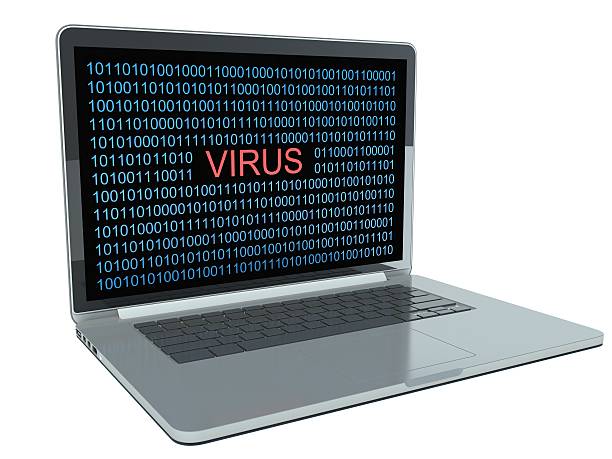
4. Malware or Viruses
Malicious software can run in the background, using system resources and slowing everything down.
5. Too Many Background Processes
Even if you’re not actively using them, many apps run in the background and consume memory (RAM).

Now let’s go through the most effective solutions.
✔ 1. Disable Startup Programs
Reducing startup programs is one of the fastest ways to improve performance.
How to do it:
- Open Task Manager (Ctrl + Shift + Esc)
- Go to the “Startup” tab
- Disable unnecessary programs
This will speed up your computer’s boot time immediately.
✔ 2. Free Up Disk Space
Cleaning your storage can significantly improve speed.
What to remove:
- Temporary files
- Old downloads
- Unused programs
You can also use built-in tools like Disk Cleanup or trusted software tools.
✔ 3. Update Your System
Keeping your system updated improves both speed and security.
Make sure your operating system and drivers are up to date. You can find official updates and support on trusted platforms such as Microsoft.

✔ 4. Scan for Malware
Viruses and malware are common causes of slow performance.
Use reliable antivirus software to scan your system and remove any threats.
Regular scans help keep your system running smoothly.
✔ 5. Close Unnecessary Programs
Running too many applications at once can slow down your computer.
👉 Close apps you’re not using
👉 Avoid opening too many browser tabs
This frees up RAM and improves performance instantly.
✔ 6. Upgrade Your Hardware (Optional)
If your computer is older, hardware upgrades can make a big difference.
Consider:
- Adding more RAM
- Switching to an SSD (Solid State Drive)
An SSD alone can dramatically speed up your system.
✔ 7. Restart Your Computer Regularly
Many people rarely restart their computers.
Restarting clears temporary processes and refreshes your system.
Extra Tips to Keep Your Computer Fast
To maintain good performance over time:
- Keep your system clean and organized
- Uninstall programs you don’t use
- Avoid downloading unknown software
- Keep your antivirus active
- Regularly check for updates
- Also update your drivers you can do that here if you have an nvidia driver
When Is It Time to Replace Your Computer?
Sometimes, even after trying everything, your computer may still be slow.
This usually happens when:
- The hardware is outdated
- The system no longer supports updates
- Performance issues keep returning
In that case, upgrading to a newer system may be the best long-term solution.
Final Thoughts
A slow computer doesn’t have to stay that way.
By identifying the cause and applying the right fixes, you can improve your system’s speed and performance significantly.
Most of these solutions are simple, quick, and don’t require advanced technical knowledge.
Start with the basics, apply the steps in this guide, and you’ll notice a clear difference in how your computer performs.
Explore More Guides
Looking for more ways to improve your tech?
Check out our other guides on improving performance, fixing common issues, and staying secure online.